
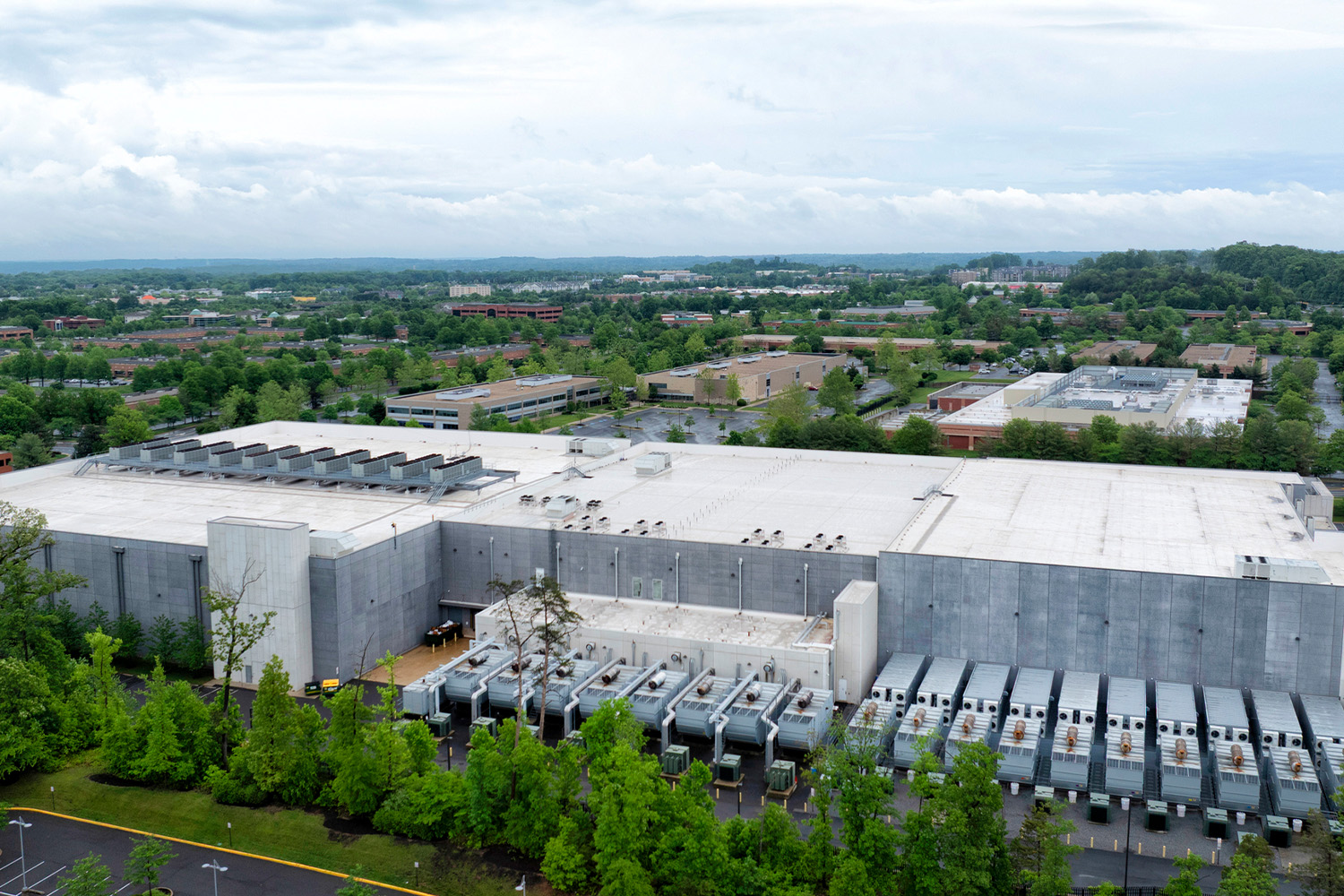
Data Center Roofing Planning
Lubbock sits at the intersection of telecommunications infrastructure, academic research computing, and energy sector data management in a region of Texas that is more technologically significant than its geography might suggest. AT&T's Lubbock switching center anchors the city's role as a telecommunications node for the Texas Panhandle and South Plains, providing the carrier infrastructure that makes Lubbock viable for enterprise data center operations. Texas Tech University's research computing programs have grown substantially, supporting computational research across engineering, agriculture, and the sciences in facilities that increasingly require data center-grade physical protection. The wind energy industry — the Texas Panhandle hosts some of the world's largest wind farms — generates enormous volumes of operational data from turbine monitoring systems, grid integration computing, and energy trading platforms that require secure, reliable computing infrastructure in the region. Each of these environments depends on a commercial roofing system that can withstand the extreme conditions of the South Plains climate.
Lubbock's climate is classified as semi-arid, with characteristics that create a demanding and often underestimated commercial roofing environment. The city receives only about 18 inches of annual rainfall, but what it lacks in precipitation frequency it compensates for in weather intensity. Lubbock sits at 3,200 feet elevation on the Llano Estacado — the high plains escarpment — where unobstructed wind exposure creates design wind conditions that exceed those in many coastal markets. The city averages recorded gusts exceeding 60 mph multiple times per year, and severe thunderstorm events frequently exceed 80 mph. Hail events are among the most frequent and most severe in the United States, with Lubbock routinely experiencing hailstones reaching 2 to 4 inches in diameter during intense supercell thunderstorm events. Temperature extremes range from summer highs above 100°F to winter lows below 10°F, creating a 90-plus-degree annual temperature swing that stresses roofing membranes relentlessly.
AT&T's Lubbock switching infrastructure is the most operationally sensitive telecommunications facility in the region. As the primary carrier interconnection point for the South Plains, a switching center outage affects telecommunications service for a large geographic area. The building envelope protecting this infrastructure must exclude moisture under the full range of South Plains weather conditions, including wind-driven rain events where horizontal rainfall penetrates poorly detailed parapet flashings and edge metal joints that would be adequate in lower-wind markets. Our specifications for telecommunications switching facilities in Lubbock use sealed edge metal systems, mechanically fastened parapet cap flashings with sealed overlap joints, and fully adhered membrane systems that eliminate the uplift vulnerability of mechanically fastened assemblies in the exposed sections of high-wind zones.
Texas Tech University's research computing infrastructure represents an academic data center environment with specific characteristics. University research environments are subject to complex procurement requirements, design review processes, and budget constraints that differ from corporate data center procurement. However, the consequence of roof failure above a research computing facility — potentially lost research data, destroyed experimental results, and disruption of grant-funded work with contractual deliverable obligations — is comparable to corporate data center failure in its impact on the institution's operations and reputation. Our team has experience with university facilities procurement requirements in Texas, including Texas State Use Act provisions and the documentation standards that Texas Higher Education Coordinating Board capital project reporting may require.
Wind energy monitoring infrastructure on the Texas Panhandle creates a data center demand that is geographically distributed but concentrated in specific nodes where data aggregation, trading, and grid management computing is housed. These facilities are often located in industrial buildings in Lubbock and surrounding communities rather than in purpose-built data centers. The South Plains wind energy sector's computing infrastructure requires roof assemblies that perform under the extreme wind exposure conditions of the Llano Estacado, where wind speeds are not just occasional severe weather events but a persistent environmental condition affecting roofing system performance throughout the year. Mechanical fastening density for data centers in this market must be calculated based on the site-specific wind exposure category, which for Lubbock's exposed high-plains geography is typically the most severe classification under ASCE 7.
Hail damage management is the most acute roofing maintenance challenge for Lubbock data center operators. The South Plains is one of the most hail-active regions in the world, and Lubbock in particular sits in a high-frequency impact zone. Standard 60-mil TPO membranes can be penetrated by hailstones exceeding 2 inches in diameter — an event that occurs in Lubbock roughly every two to three years. The most effective hail management strategy combines a specification upgrade to 80-mil or reinforced TPO or KEE membranes (which are resistant to FM Global Severe Hail testing protocols) with a post-storm inspection program that provides prompt damage assessment after every significant hail event. The cost of a proactive inspection and targeted repair after a hail event is a fraction of the cost of a delayed repair that allows moisture to infiltrate before damage is detected.
Temperature cycling on Lubbock's high-plains climate creates membrane stress that exceeds most U.S. markets. The combination of summer highs above 100°F and winter lows below 10°F produces daily and seasonal temperature swings that expand and contract roof membrane materials repeatedly over the system's service life. At seams, lap joints, and flashing terminations — where differential movement between two bonded surfaces concentrates stress — these temperature cycles are the primary driver of long-term fatigue and adhesion failure. Our specifications for Lubbock data centers use wider seam widths and reinforced flashing details that account for the thermal cycling severity of the South Plains climate, and our preventive maintenance protocols include seam probe testing at every service visit to detect adhesion loss before it becomes an infiltration pathway.
Vapor management for Lubbock data centers reflects the semi-arid climate's specific characteristics. Low ambient humidity means that the vapor drive through a Lubbock roof assembly is generally lower than in humid-climate markets, reducing the urgency of vapor retarder positioning compared to markets like Jacksonville or Louisville. However, data center interiors are actively humidified to meet ASHRAE 90.4 humidity setpoints, which means the interior moisture content is higher than the exterior in essentially all weather conditions. A vapor retarder positioned below the insulation prevents this interior moisture from migrating into the roof assembly and condensing against the cold decking during Lubbock's cold winter nights. The analysis is simpler than in transitional-climate markets but the vapor retarder remains a necessary element of the assembly design.
Wind-blown dust and debris accumulation is a Lubbock-specific maintenance consideration. The South Plains' semi-arid conditions and agricultural activity generate substantial airborne dust that accumulates on rooftop surfaces, particularly in sheltered zones near equipment curbs, parapet walls, and drain sumps. This dust accumulation can restrict drain flow, support organic growth in shaded areas, and create abrasion on membrane surfaces exposed to wind-driven particle transport. Our maintenance service for Lubbock data centers includes drain cleaning and flow verification at every semi-annual inspection visit, debris removal from drain sumps and equipment curb zones, and inspection for abrasion damage on membrane surfaces in areas with concentrated wind exposure.
Lubbock's growing role as a regional center for research computing, energy sector data management, and telecommunications infrastructure will continue to generate demand for mission-critical commercial roofing expertise. The South Plains climate's extreme hail, wind, and temperature cycling conditions demand a higher specification standard than the modest annual rainfall would suggest to an uninformed observer. Our team's deep familiarity with the South Plains weather environment, Texas building code requirements, and the specific operational sensitivity of telecommunications and energy sector data facilities positions us as the preferred commercial roofing contractor for Lubbock data center operators who require a partner that understands what their climate can deliver.
Frequently Asked Questions: Data Center Roofing in Lubbock
Q: How severe is the hail risk for data center roofs in Lubbock?
A: Lubbock is one of the most hail-active markets in the U.S., with hailstones exceeding 2 inches in diameter recorded roughly every two to three years. Standard 60-mil TPO can be penetrated by these events. 80-mil reinforced or KEE membranes with FM Severe Hail ratings are the recommended specification for all mission-critical data center roofs in the Lubbock market.
Q: What wind design standard applies to data center roofs in Lubbock?
A: Lubbock's exposed high-plains location at 3,200 feet elevation on the Llano Estacado qualifies as Exposure Category D under ASCE 7, the most severe wind exposure classification. This results in higher design wind pressures than many coastal markets. Fully adhered membrane systems with FM 1-90 or higher ratings and mechanically fastened edge metal are the appropriate specification baseline.
Q: How does the temperature cycling in Lubbock affect membrane seam longevity?
A: The 90°F+ annual temperature swing creates repeated expansion-contraction cycles at seams, lap joints, and flashing terminations that accelerate adhesion fatigue. Wider seam widths, reinforced flashing details, and semi-annual seam probe testing are essential maintenance elements to detect adhesion loss before it creates infiltration pathways.
Q: Does the semi-arid climate mean vapor retarders are not needed in Lubbock?
A: A vapor retarder is still needed for data center roofs in Lubbock because the interior is actively humidified to ASHRAE 90.4 setpoints, creating an outward vapor drive regardless of ambient outdoor humidity. Positioning below the insulation prevents interior moisture from condensing against cold decking during winter nights.
Q: What maintenance considerations are unique to Lubbock data center roofs?
A: Wind-blown dust accumulation restricts drains and creates abrasion on exposed membrane surfaces. Drain cleaning and flow verification at every semi-annual inspection are essential. Post-hail event inspections should be scheduled within 72 hours of any significant hail event — early detection and repair of impact damage prevents moisture infiltration that is otherwise invisible until it reaches interior surfaces.
Next Step
Send the building address, roof age if known, leak photos or condition photos, roof access notes, tenant limits, and the decision timeline. We will shape the roof walk around documentation, approval timing, and risk control for the buyer group and return a practical scope tied to what can be verified.