Commercial Roof Leak Repair
Commercial Roof Leak Repair starts with active water entry, interior evidence, and a dry-in plan. We document the roof condition before a repair, coating, recover, or replacement number is trusted.
Scope details →
Start with the roof question in front of you: active leak, storm damage, aging membrane, metal edge failure, coating eligibility, or a replacement budget. We keep each service path tied to field evidence, safe access, and the building schedule below the roof.
Start with the roof question in front of you: active leak, storm damage, aging membrane, metal edge failure, coating eligibility, or a replacement budget. We keep each service path tied to field evidence, safe access, and the building schedule below the roof.
Commercial Roof Leak Repair starts with active water entry, interior evidence, and a dry-in plan. We document the roof condition before a repair, coating, recover, or replacement number is trusted.
Scope details →Use Commercial Roof Repair when the roof decision turns on roof evidence, access limits, weather exposure, and budget timing. The scope stays tied to access, moisture, wind, and the business schedule below the roof.
Scope details →Storm Damage Roof Repair gets reviewed through roof evidence first: wind uplift, hard-rain entry, and emergency containment. That keeps the recommendation practical for ownership, facilities, or procurement.
Scope details →The Humidity & Trapped-Moisture Roof Repair discussion should be grounded in roof evidence, access limits, weather exposure, and budget timing. We turn that roof evidence into a repair path, maintenance note, or budget plan.
Scope details →Use Roof Tear-Off and Replacement when the roof decision turns on roof evidence, access limits, weather exposure, and budget timing. The scope stays tied to access, moisture, wind, and the business schedule below the roof.
Scope details →For Commercial Re-Roofing, we look at roof evidence, access limits, weather exposure, and budget timing. The file separates urgent protection from longer-term capital planning.
Scope details →For Occupied Building Re-Roofing, we look at roof evidence, access limits, weather exposure, and budget timing. The file separates urgent protection from longer-term capital planning.
Scope details →Hail Damage Restoration gets reviewed through roof evidence first: membrane bruising, rooftop equipment marks, and carrier documentation. That keeps the recommendation practical for ownership, facilities, or procurement.
Scope details →Roof Recover and Overlay starts with roof evidence, access limits, weather exposure, and budget timing. We document the roof condition before a repair, coating, recover, or replacement number is trusted.
Scope details →Use Insulation and Recovery Board when the roof decision turns on roof evidence, access limits, weather exposure, and budget timing. The scope stays tied to access, moisture, wind, and the business schedule below the roof.
Scope details →The Preventive Maintenance Programs discussion should be grounded in roof evidence, access limits, weather exposure, and budget timing. We turn that roof evidence into a repair path, maintenance note, or budget plan.
Scope details →Commercial Roof Preventive Maintenance Program starts with roof evidence, access limits, weather exposure, and budget timing. We document the roof condition before a repair, coating, recover, or replacement number is trusted.
Scope details →Acrylic and Silicone Roof Coatings planning works best when moisture screening, adhesion testing, and film-thickness planning are visible in the scope. We keep the next step clear before work starts.
Scope details →Drone Roof Inspection & Thermal Imaging gets reviewed through roof evidence first: roof evidence, access limits, weather exposure, and budget timing. That keeps the recommendation practical for ownership, facilities, or procurement.
Scope details →The Commercial Roof Inspection discussion should be grounded in roof evidence, access limits, weather exposure, and budget timing. We turn that roof evidence into a repair path, maintenance note, or budget plan.
Scope details →Emergency Tarp Dry In planning works best when roof evidence, access limits, weather exposure, and budget timing are visible in the scope. We keep the next step clear before work starts.
Scope details →Modified Bitumen Roofing starts with roof evidence, access limits, weather exposure, and budget timing. We document the roof condition before a repair, coating, recover, or replacement number is trusted.
Scope details →Church and Religious Building Roofing gets reviewed through roof evidence first: roof evidence, access limits, weather exposure, and budget timing. That keeps the recommendation practical for ownership, facilities, or procurement.
Scope details →The Commercial Solar Roof Integration discussion should be grounded in roof evidence, access limits, weather exposure, and budget timing. We turn that roof evidence into a repair path, maintenance note, or budget plan.
Scope details →The Warehouse and Distribution Center Roofing discussion should be grounded in wide roof areas, dock schedules, and forklift traffic below the work with dock schedules, roof access, and operating traffic around the building. We turn that roof evidence into a repair path, maintenance note, or budget plan.
Scope details →Skylight and Penetration Flashing planning works best when roof evidence, access limits, weather exposure, and budget timing are visible in the scope. We keep the next step clear before work starts.
Scope details →Spray Foam Roofing starts with foam slope correction, coating renewal, and wind-safe application windows. We document the roof condition before a repair, coating, recover, or replacement number is trusted.
Scope details →EPDM Commercial Roofing starts with rubber seams, perimeter edges, and older low-slope roof compatibility. We document the roof condition before a repair, coating, recover, or replacement number is trusted.
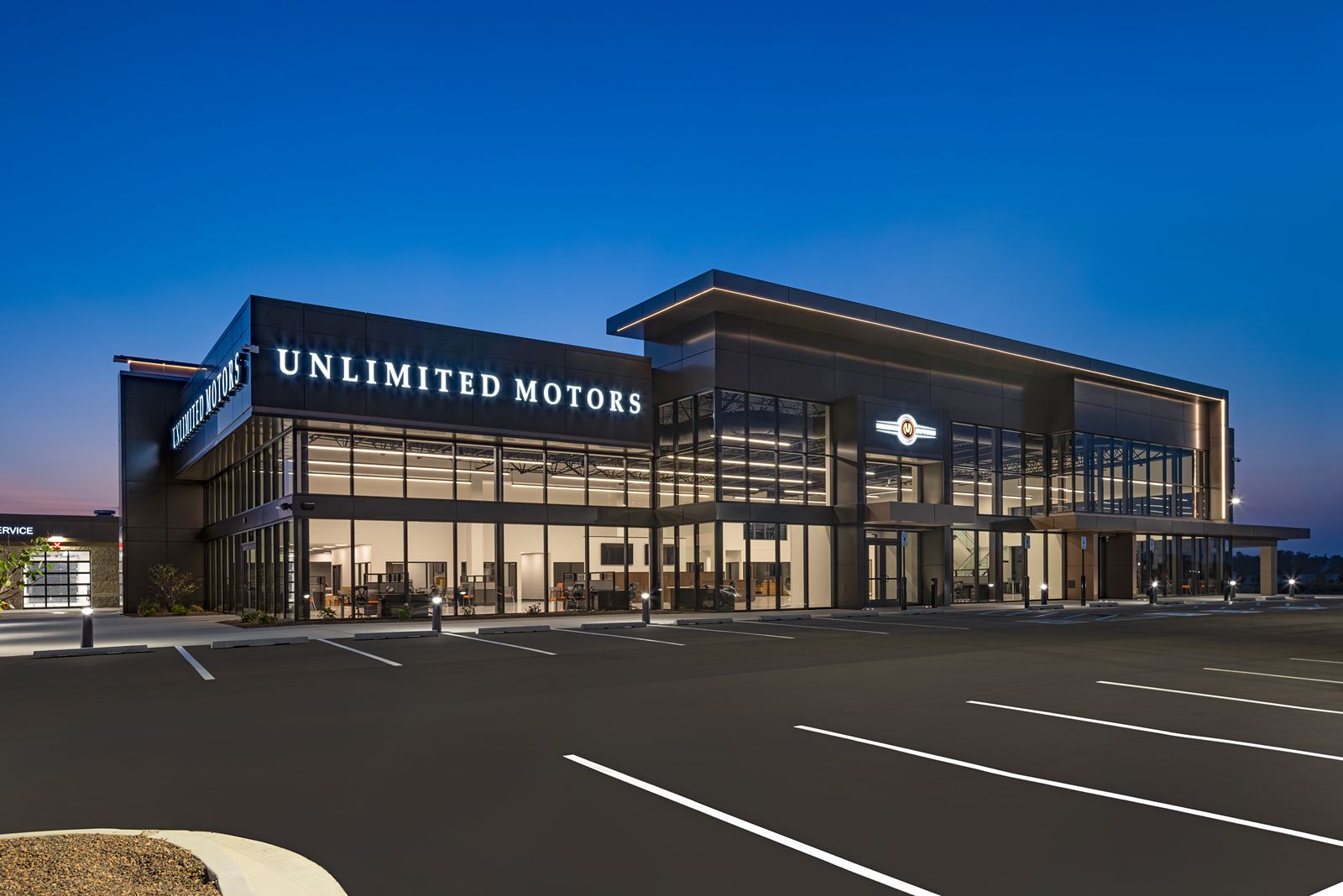
Scope details →Auto Dealership Roofing starts with roof evidence, access limits, weather exposure, and budget timing. We document the roof condition before a repair, coating, recover, or replacement number is trusted.
Scope details →The Roof Drains and Scuppers discussion should be grounded in ponding water, overflow paths, and tapered-insulation decisions with overflow paths, wall transitions, and drainage capacity. We turn that roof evidence into a repair path, maintenance note, or budget plan.
Scope details →Use Standing Seam Metal Roofing when the roof decision turns on panel laps, fasteners, edge securement, and thermal movement. The scope stays tied to access, moisture, wind, and the business schedule below the roof.
Scope details →School and K-12 Educational Building Roofing gets reviewed through roof evidence first: occupied calendars, protected entries, and summer work windows. That keeps the recommendation practical for ownership, facilities, or procurement.
Scope details →For KEE Single-Ply Roofing, we look at roof evidence, access limits, weather exposure, and budget timing. The file separates urgent protection from longer-term capital planning.
Scope details →The Mixed-Use Development Roofing discussion should be grounded in roof evidence, access limits, weather exposure, and budget timing. We turn that roof evidence into a repair path, maintenance note, or budget plan.
Scope details →Use PVC Commercial Roofing when the roof decision turns on welded laps, chemical exposure, grease areas, and curb details. The scope stays tied to access, moisture, wind, and the business schedule below the roof.
Scope details →R-Panel Metal Roofing gets reviewed through roof evidence first: panel laps, fasteners, edge securement, and thermal movement. That keeps the recommendation practical for ownership, facilities, or procurement.
Scope details →Industrial Roofing starts with roof evidence, access limits, weather exposure, and budget timing. We document the roof condition before a repair, coating, recover, or replacement number is trusted.
Scope details →Use Multifamily and Apartment Building Roofing when the roof decision turns on resident notices, phased access, and daily dry-in discipline. The scope stays tied to access, moisture, wind, and the business schedule below the roof.
Scope details →For Healthcare Facility Roofing, we look at patient-facing access, odor control, and infection-control expectations. The file separates urgent protection from longer-term capital planning.
Scope details →Insurance Claim Coordination gets reviewed through roof evidence first: roof evidence, access limits, weather exposure, and budget timing. That keeps the recommendation practical for ownership, facilities, or procurement.
Scope details →For Edge Metal, Coping, and Gutters, we look at panel laps, fasteners, edge securement, and thermal movement. The file separates urgent protection from longer-term capital planning.
Scope details →University and College Campus Roofing planning works best when campus access, occupied classrooms, and phased work windows are visible in the scope. We keep the next step clear before work starts.
Scope details →Manufacturing Facility Roofing planning works best when production schedules, rooftop equipment, and shutdown limits are visible in the scope. We keep the next step clear before work starts.
Scope details →Hotel and Hospitality Property Roofing planning works best when roof evidence, access limits, weather exposure, and budget timing are visible in the scope. We keep the next step clear before work starts.
Scope details →Office Building Roofing planning works best when tenant notices, downtown staging, and low-disruption dry-in are visible in the scope. We keep the next step clear before work starts.
Scope details →Use Government and Municipal Building Roofing when the roof decision turns on public access, procurement records, and secure work areas. The scope stays tied to access, moisture, wind, and the business schedule below the roof.
Scope details →For Self-Storage Facility Roofing, we look at roof evidence, access limits, weather exposure, and budget timing. The file separates urgent protection from longer-term capital planning.
Scope details →Use Built-Up Roofing when the roof decision turns on roof evidence, access limits, weather exposure, and budget timing. The scope stays tied to access, moisture, wind, and the business schedule below the roof.
Scope details →For Restaurant and Food Service Building Roofing, we look at grease exposure, vent curbs, and business-hour restrictions. The file separates urgent protection from longer-term capital planning.
Scope details →For TPO Single-Ply Roofing, we look at heat-welded seams, attachment, UV exposure, and white membrane aging. The file separates urgent protection from longer-term capital planning.
Scope details →New Construction Roofing gets reviewed through roof evidence first: roof evidence, access limits, weather exposure, and budget timing. That keeps the recommendation practical for ownership, facilities, or procurement.
Scope details →The Energy-Efficient Cool Roof Installation discussion should be grounded in roof evidence, access limits, weather exposure, and budget timing. We turn that roof evidence into a repair path, maintenance note, or budget plan.
Scope details →Retail and Shopping Center Roofing planning works best when tenant access, storefront protection, and customer traffic are visible in the scope. We keep the next step clear before work starts.
Scope details →