
Humidity & Trapped-Moisture Roof Repair Planning
When the Water Is Coming From Inside the Building
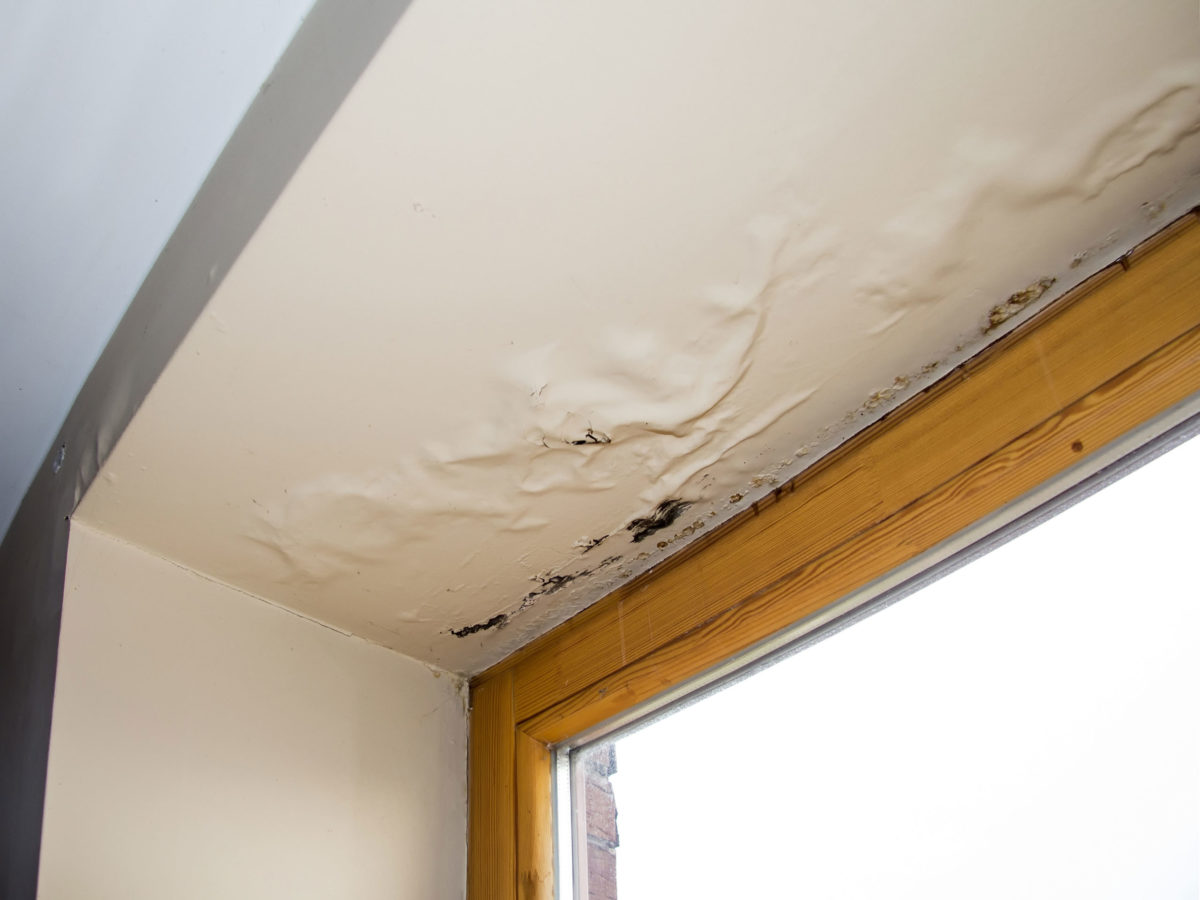
The air over Lubbock is dry for most of the year, with single-digit afternoon humidity common through the long West Texas summer. So when we find a commercial roof rotting from moisture, the water generally is not falling out of the sky. It is being manufactured inside the building. The cold-storage and food-processing operations tied to the region's cotton and agricultural economy, the indoor aquatic centers and natatoriums, the commercial laundries, the breweries, and the manufacturing plants scattered through the South Loop 289 and East Slaton industrial blocks all push warm, moisture-laden air upward toward the roof deck around the clock. When the vapor barrier that is supposed to hold that moisture down was left out, installed on the wrong side of the assembly, or sliced open by an earlier repair, the vapor migrates up into the roof and condenses inside it. That is a fundamentally different failure than a hail puncture or a worn seam, and it has to be diagnosed and corrected on its own terms.
The mechanism is patient and silent. Vapor drive carries interior humidity up through the deck, and when it reaches the cooler layers near the membrane it condenses into liquid and soaks the insulation. Waterlogged insulation surrenders its R-value, so the building bleeds conditioned air and the energy bills climb. The trapped water has nowhere to go, so it works on everything around it, and by the time anyone notices a ceiling stain or a spongy spot underfoot, the wet zone is almost always far larger than the symptom lets on.
What Interior Moisture Does to a Roof Assembly
Humidity-driven moisture leaves a recognizable signature on a commercial roof, and we hunt for all of it during an assessment.
We see these patterns most on roofs where the vapor retarder is fighting the building physics instead of working with it. In a Lubbock building with a humid interior, the dominant vapor drive through the long cooling-dominated season runs upward, from the conditioned space toward the roof, which means an effective vapor retarder belongs low in the assembly, near the warm side. A retarder placed above the insulation, or missing entirely, lets moisture in and then locks it there. Recovering over an assembly like that without correcting the vapor management guarantees the new roof will rot from the inside exactly as the old one did.
Making the Hidden Water Visible
You cannot scope this kind of repair from the surface, because the damage lives buried inside the assembly. Infrared moisture surveying is the tool that brings it into view. After a sunny day the whole roof banks heat; once the sun drops, the dry areas shed that heat fast while the wet, water-heavy zones cling to it. During that evening cool-down an infrared scan renders the saturated insulation as distinct warm signatures against the cooler dry field, mapping the moisture footprint even where the membrane above still looks sound. We confirm the thermal findings with core cuts at the flagged spots, which also let us read the insulation condition firsthand, check for deck corrosion, and see precisely where the vapor retarder sits and whether it has failed.
For any building running a humidity-generating process inside it, we recommend a documented infrared survey if one has not been done in the last few years. The timing decides the entire outcome. Wet insulation caught early is a contained repair. The same problem found after it has spread and corroded the deck is a full replacement with structural remediation stacked on top.
Repair Where We Can, Replace When We Must
When the survey shows discrete wet zones surrounded by sound dry roof, this is repairable. We cut out the saturated insulation down to a dry, clean substrate, set new board matched to the existing thickness so the slope-to-drain is restored, and reinstate the membrane with details welded or seamed monolithic to the surrounding field. Where the vapor retarder is the underlying culprit, we correct it inside the repair area rather than burying the same mistake under a patch. We also re-seal the edge metal, coping, and flashings in the affected zone, since lifted and corroded perimeter details are a common companion to interior-moisture problems.
Replacement becomes the honest answer when the wet insulation covers too much of the roof to chase economically, when the deck has corroded to the point its structural integrity is in question, or when the vapor retarder is so fundamentally misplaced that only a full assembly redesign will break the cycle. After the survey we lay the options side by side, with separate pricing for the diagnostic, a targeted repair, and a full replacement, so the decision is yours to make with real numbers in front of you. If a repair only delays an inevitable tear-off by a season or two, we will say so.
Humidity & Moisture Damage Repair Questions
How do you find moisture damage that isn't visible from the roof surface?
Infrared thermal scanning is the standard approach for hidden moisture in a commercial assembly. We scan after sunset, when the contrast peaks: wet insulation holds the day's heat and reads as a warm zone against the cooler dry roof. Core cuts at the flagged spots confirm the reading and let us check insulation condition, deck corrosion, and vapor-retarder placement.
Where is all the moisture coming from if Lubbock's air is dry?
Usually from inside the building. Cold storage, food processing, indoor pools, laundries, and similar operations generate warm humid air that drives upward into the roof. When the vapor retarder is missing, misplaced, or damaged, that vapor condenses inside the assembly and saturates the insulation without a drop of rain ever penetrating the membrane.
Can a humidity-damaged roof be repaired instead of replaced?
Often, yes. Discrete wet zones confirmed by the infrared survey and surrounded by dry roof can be cut out and rebuilt: remove the saturated board, set matching dry insulation to restore the slope, reinstate the membrane, correct the vapor retarder in that area, and re-seal the flashings. Full replacement is the answer when the saturation is widespread or the steel deck has corroded enough to raise a structural concern.
How fast does this get worse if we leave it alone?
It progresses steadily. Wet insulation gives up its R-value, so HVAC costs rise, and constant moisture accelerates steel-deck corrosion. A roof with a contained wet zone today can show widespread saturation a couple of seasons later, turning a manageable repair into a full replacement. Catching it early is the whole game.
What does a humidity-damage repair cost?
Localized repair is priced per affected square foot based on insulation depth, deck condition, and the membrane work involved, and we typically credit the survey fee toward the repair if we do the work. Widespread saturation that forces a replacement is priced at the reroofing rate with any required deck remediation added. You get separate numbers for the diagnostic, the targeted repair, and the full replacement once the survey is done.
Next Step
Send the building address, roof age if known, leak photos or condition photos, roof access notes, tenant limits, and the decision timeline. We will shape the roof walk around roof evidence, access limits, weather exposure, and budget timing and return a practical scope tied to what can be verified.