
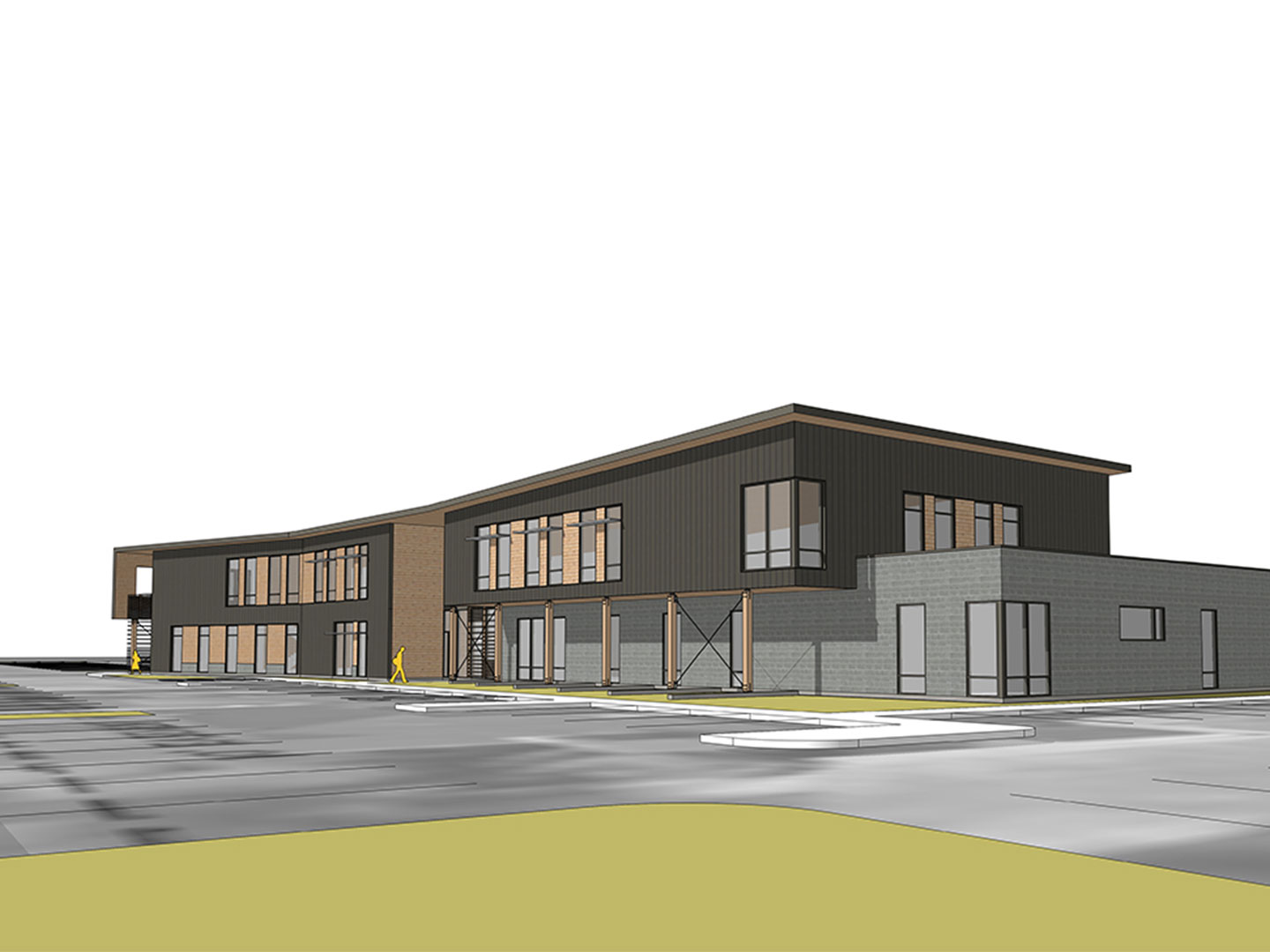
Healthcare Facility Roofing Planning
Covenant Medical Center in Lubbock, the flagship hospital of Covenant Health and one of the largest medical facilities on the South Plains, operates a campus that serves patients from across West Texas and eastern New Mexico in a continuous 24/7 clinical environment that places extraordinary demands on every component of its building envelope. Commercial healthcare roofing at Covenant Medical Center and throughout the Lubbock medical community requires the full suite of hospital-specific protocols — ICRA compliance, infection control, sterile environment protection, and continuous occupancy management — applied in West Texas's extreme climate of intense heat, hailstorms, and high wind that make roofing system durability a non-negotiable specification requirement.
ICRA compliance at Covenant Medical Center follows The Joint Commission's Environment of Care standards implemented through the hospital's infection control committee. Roofing work above patient care areas requires ICRA permit classification based on the level of dust and particulate generation and the sensitivity of adjacent clinical spaces. Class III and Class IV ICRA permits typically apply to roofing tear-off above patient floors, requiring negative air pressure containment, HEPA filtration, and sealed dust barriers at all construction zone transitions. We obtain all required ICRA permits before mobilization and document compliance throughout the project with daily inspection records and filter maintenance logs.
Continuous occupancy at Covenant Medical Center requires pre-construction operational planning that addresses the facility's 24-hour clinical environment. The hospital's cardiac care center, Level II trauma center, NICU, and surgical suites must remain fully operational throughout any roofing project. We conduct a joint facility walk with Covenant's facilities director and infection control officer before finalizing work sequences, establishing area-specific noise and vibration constraints for each clinical department below the roofing scope and building those constraints into daily work plans throughout the project.
West Texas hail is a defining risk factor for Covenant Medical Center roofing systems. Lubbock's position in a major North American hail corridor means that any roofing system on a hospital campus must be specified with Class 4 UL 2218 impact resistance as the minimum standard — not because the building code requires it but because a hail event that damages a Class 2 or Class 3 membrane system on a hospital roof creates an immediate infiltration risk to a continuously occupied patient care facility. We specify Class 4 impact resistance on all Covenant Medical Center and Lubbock hospital roofing projects, and we document impact resistance ratings in all project submittals for the hospital's property insurance records.
Extreme heat is an operational challenge for summer roofing work at Covenant Medical Center. Roof surface temperatures in Lubbock can exceed 170 degrees on peak July days, creating working conditions that require strict heat management protocols — crew scheduling that begins at first light and restricts labor during peak afternoon heat, hydration and shade requirements, and heat illness recognition training for all crew members. Reflective white TPO membranes are standard on all Lubbock hospital flat-roof projects, benefiting both installation quality during construction and long-term energy performance by reducing surface temperatures during the facility's operational years.
Outdoor air intake protection is managed with particular care at Covenant Medical Center during roofing work. The hospital's Level II trauma designation and NICU require air handling systems that deliver clean, filtered air to clinical areas without interruption. We map all outdoor air intakes before specification, identify the clinical criticality of each intake's served area, and design intake protection protocols that provide enhanced protection for trauma, surgical, and NICU intakes compared to support space intakes. High-particulate operations — tear-off, grinding — are scheduled to minimize exposure of critical area intakes.
Wind uplift design for Covenant Medical Center roofing reflects Lubbock's high-wind exposure. The flat terrain of the South Plains provides no windbreaks, and design wind speeds for West Texas under ASCE 7 require significantly enhanced fastener density at roof perimeters and corners compared to sheltered urban locations. Hospital buildings must maintain their roof systems through wind events that would be considered exceptional in other parts of the country, and Covenant Medical Center's roofing attachments are designed to provide this reliability. We calculate required uplift resistance and document fastener schedules in project submittals for Covenant's facilities engineering review.
Emergency response capability for Covenant Medical Center and Lubbock's healthcare community is a service we maintain at all times. A hailstorm or severe wind event that damages roofing on an active hospital campus requires immediate assessment and temporary repair to prevent infiltration into patient care areas. We maintain priority emergency response for healthcare clients with dedicated crew availability for hospital calls and the Class 4 temporary repair materials needed to provide immediate protection following a hail or wind event.
Every Covenant Medical Center roofing project receives comprehensive closeout documentation: ICRA permit records, as-built photos of all penetration and flashing details, Class 4 impact resistance certification records, manufacturer warranty registration, and a facilities engineering handoff briefing. We also provide guidance on annual inspection protocols and the post-hail inspection procedure that Covenant's facilities team should initiate after any significant hail event to confirm roofing system integrity and preserve warranty coverage.
Next Step
Send the building address, roof age if known, leak photos or condition photos, roof access notes, tenant limits, and the decision timeline. We will shape the roof walk around patient-facing access, odor control, and infection-control expectations and return a practical scope tied to what can be verified.