
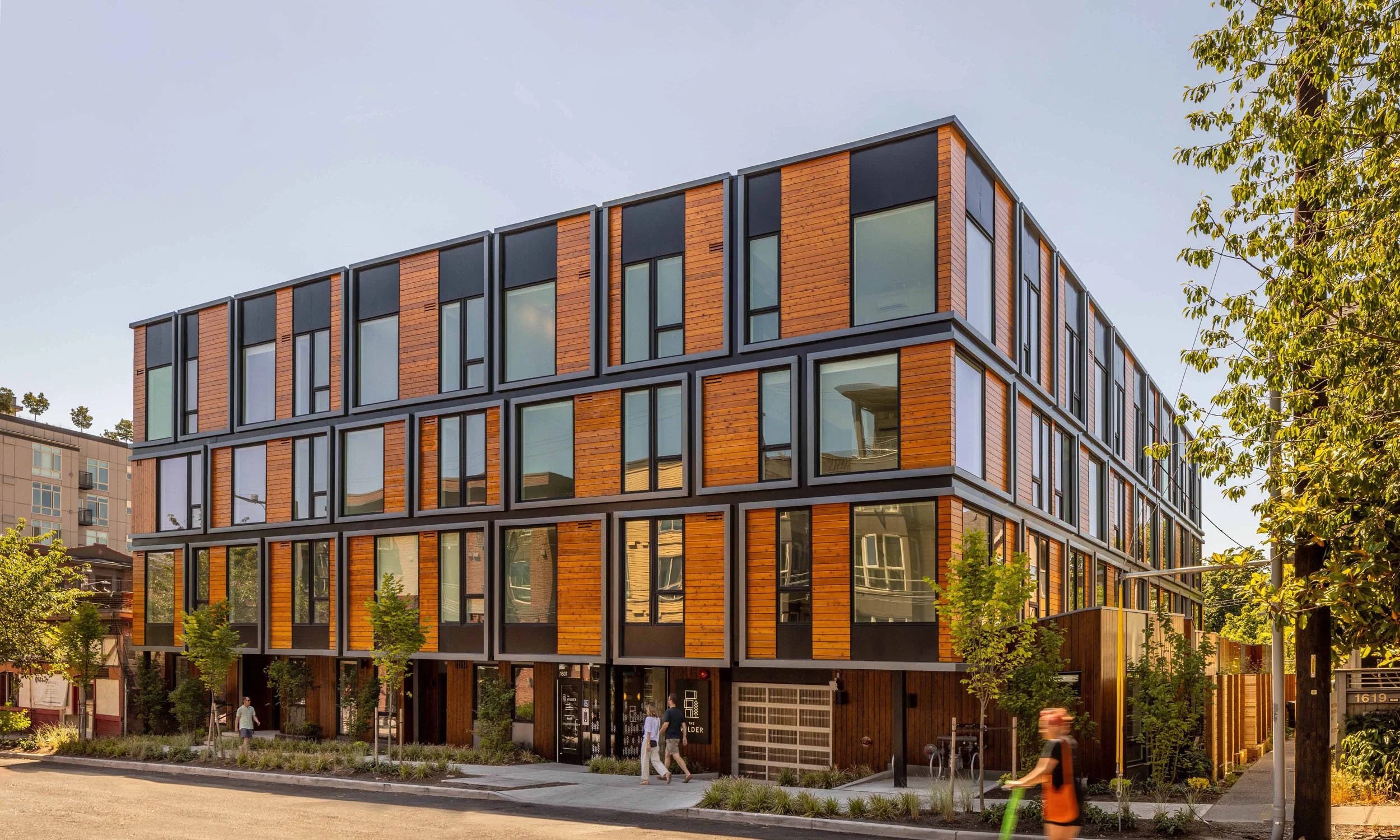
Multifamily and Apartment Building Roofing Planning
Lubbock's multifamily housing market is led by Texas Tech University's enrollment of nearly 40,000 students and a regional economic base in healthcare, agriculture, and wind energy that supports a diverse renter population well beyond the student segment. The apartment inventory spans from the student-housing complexes that cluster near the Tech campus in neighborhoods like Depot District and along 19th and 34th streets to the larger conventional apartment communities along the South Loop and Slide Road corridors that serve Lubbock's professional and workforce-housing population. Investors who have acquired multifamily assets in the Hub City over the past several years are working with a building stock that ranges from 1960s and 1970s garden apartments to recently constructed projects that are still within their initial warranty periods.
The Texas Panhandle and South Plains region presents one of the most demanding wind environments for commercial roofing anywhere in the country. Lubbock's location on the flat, treeless Llano Estacado means that thunderstorm-generated straight-line winds, haboob dust storms, and the periodic severe hail events that track through Lubbock County have essentially no topographic barriers to reduce their impact on apartment roofing systems. The hail events of May 2019, which caused catastrophic damage across Lubbock, demonstrated that a single storm can simultaneously generate hundreds of millions of dollars in roofing claims across the city. Apartment owners who did not have current condition documentation struggled to isolate pre-existing deterioration from storm-caused damage, a distinction that adjusters actively investigate during claim processing.
Texas Tech's student population creates a rental market dynamic that affects roofing maintenance decisions in specific ways. Student leases typically turn in late July and August, creating a narrow window when roofing work can be completed in units between occupancy cycles. For buildings that are fully occupied during the academic year and then experience high turnover in the summer, the May through July period is when property managers must accomplish everything from unit turns to exterior maintenance — and roofing is frequently delayed to a shorter window than ideal. Building relationships with commercial contractors in advance, securing contracts for preferred spring scheduling, and completing assessments before the busy season allows property managers to execute roofing work efficiently within that compressed window.
HOA-managed communities in West Lubbock and South Lubbock — the townhome associations and patio-home clusters that serve the city's more affluent homeowner population near Legacy Park and around the Wolfcamp Trail area — are dealing with first and second-cycle roofing replacements on structures that were built during the South Plains building boom of the late 1990s and 2000s. Those original roofing systems were installed with dimensional shingles that were appropriate for the era but have now experienced the cumulative UV exposure of West Texas's intense solar environment. Texas's wide-open sky produces UV index values that exceed those of the Gulf Coast during summer months, and roofing materials that perform adequately in Houston or Austin degrade measurably faster on the exposed South Plains.
Commercial flat-roof apartment buildings in Lubbock face drainage challenges that are paradoxical in a semi-arid environment. The city averages only about 18 inches of annual rainfall, but the intensity of individual Panhandle thunderstorm events — particularly the late spring storm systems that produce 2 to 3 inches in under an hour — creates brief but extreme drainage demands. Interior drains sized for average rainfall conditions are routinely overwhelmed by these intensity events, and parapet-height overflow scuppers that were intended as emergency secondary drainage become primary drainage pathways during severe storms. Ensuring that primary drains are properly sized, clear of debris, and maintained regularly — and that secondary overflow scuppers are functional and positioned correctly — is critical infrastructure maintenance for any flat-roof apartment building in Lubbock.
Property management companies overseeing Lubbock apartment portfolios that include both student-housing near TTU and conventional housing in the South Loop and Marsha Sharp Freeway corridors need commercial roofing partners who understand the different operational rhythms of those two segments. The student-housing complexes require accelerated project execution in compressed summer windows and high communication standards with international student populations who may report maintenance issues differently than domestic tenants. The conventional housing complexes need contractors who can sequence work through partially occupied buildings without disrupting residents whose lease terms span the construction period. Both requirements are met only by contractors who have built their multifamily project management processes around occupied-building protocols.
Lubbock's commercial insurance market has tightened in response to the elevated hail and wind claims frequency that characterizes the Texas Panhandle region. Carriers writing commercial property coverage in Lubbock increasingly require hail-resistant roofing products — Class 4 impact-resistance ratings on shingle products for sloped-roof buildings, and hail-rated membranes on flat-roof systems — to qualify for preferred pricing tiers or to avoid coverage exclusions. For apartment investors making reroof decisions, specifying products that achieve Class 4 or equivalent impact ratings is both an insurance-cost management strategy and a practical performance decision in an area where hail events of 1.5 inches and larger occur multiple times per decade.
Real estate investors who focus on Lubbock's student-housing market as a high-yield investment category need to understand that the cap rate premium they receive relative to conventional multifamily reflects, in part, the higher maintenance intensity and turnover frequency that student housing requires. Roofing systems on student properties receive more mechanical traffic from rooftop mechanical access, more penetrations from antenna and communication equipment installed by tech-savvy student tenants, and sometimes more direct abuse than conventional apartments. Building that maintenance-intensity premium into roofing-material specifications — thicker membranes, more robust penetration flashings, stronger parapet terminations — produces a system that survives the full student-occupancy operating cycle rather than requiring premature repair.
For Lubbock multifamily owners ready to move from storm-reactive roofing management to a capital-planned approach, the combination of the city's hail exposure, its UV intensity, and its extreme wind environment makes a systematic condition-assessment program not just best practice but financial necessity. A qualified commercial roofing contractor familiar with West Texas operating conditions, hail-resistant product specifications, and the specific drainage challenges of the Llano Estacado's intense-but-infrequent precipitation pattern is the right partner for building a roofing management discipline that protects Lubbock apartment assets through weather cycles that will continue to produce significant damage events for years to come.
Next Step
Send the building address, roof age if known, leak photos or condition photos, roof access notes, tenant limits, and the decision timeline. We will shape the roof walk around resident notices, phased access, and daily dry-in discipline and return a practical scope tied to what can be verified.