
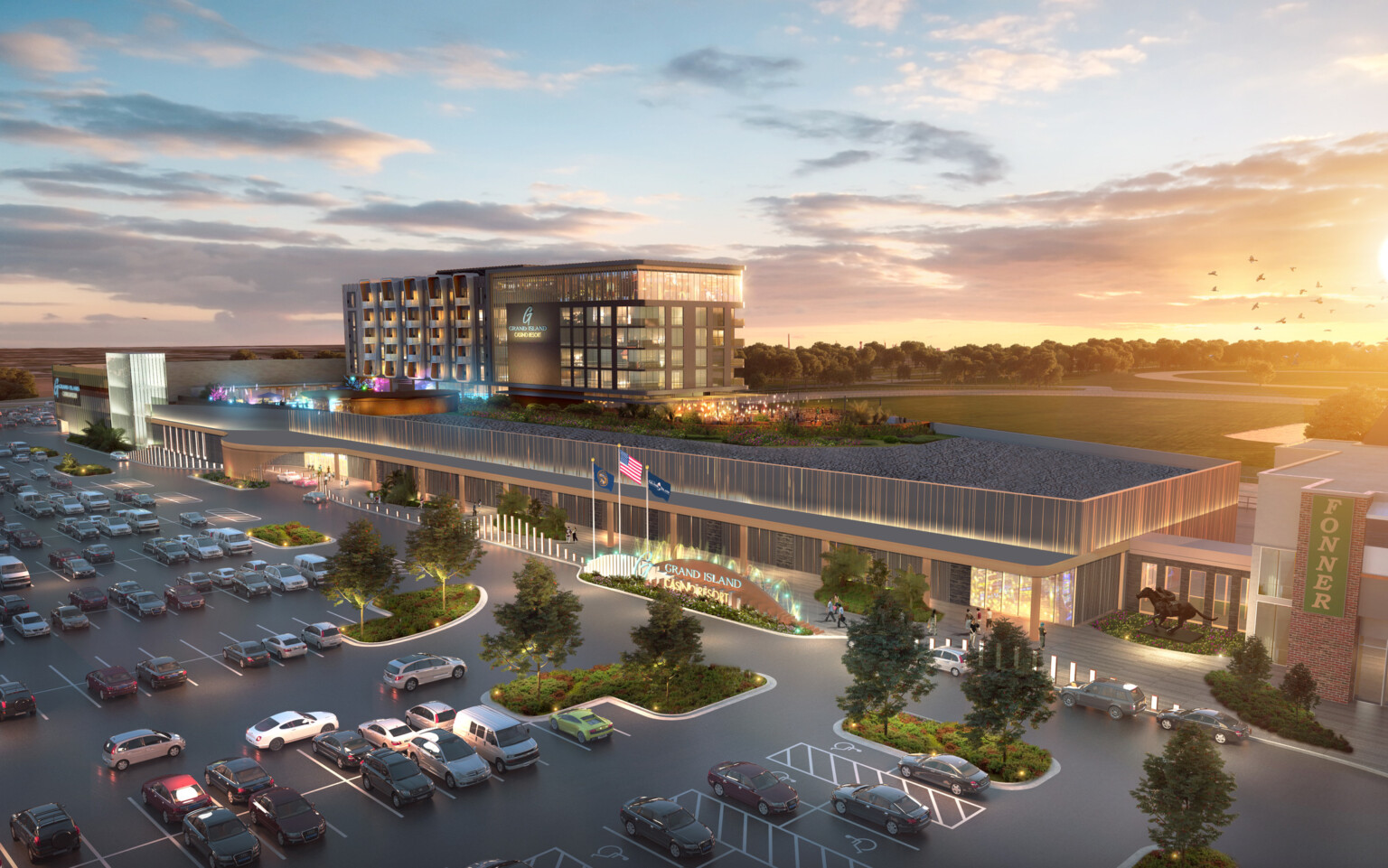
Hotel and Hospitality Property Roofing Planning
Lubbock's hotel market is centered on two engines that drive nearly all meaningful occupancy variation: Texas Tech University and the regional medical complex centered on University Medical Center and Covenant Health. Tech football Saturdays produce some of the highest ADR events in West Texas, filling every flag property along the Marsha Sharp Freeway corridor and pulling demand into properties near Loop 289. Medical travel keeps extended-stay brands near the Texas Tech Health Sciences Center at consistent mid-week occupancy year-round, producing the kind of steady cash flow that makes roofing capital investment easier to justify than in purely leisure markets. For hotel owners, understanding which of these demand drivers governs their specific property's calendar shapes every capital planning decision, including roofing.
The South Plains of West Texas impose roofing stresses that are distinct from most of the country and not fully appreciated by contractors without regional experience. Lubbock sits at approximately 3,200 feet elevation with a semi-arid climate that produces extreme UV exposure, temperature swings that can exceed forty degrees Fahrenheit in a single day, and the persistent wind that defines the Llano Estacado. That wind is the roofing factor that separates Lubbock from other Texas markets. Wind events regularly exceed fifty miles per hour during spring and fall, and the region's position in Tornado Alley means roof systems must be designed for wind uplift resistance that meets or exceeds local building code minimums. Hotels with aging mechanically fastened membrane systems may be significantly under-fastened by current standards.
Hail is the most common cause of roofing emergencies on Lubbock hotels. The South Plains receives some of the most frequent and severe hail in the continental United States, with stones over one inch in diameter occurring multiple times per decade. Hotels along the South Loop and near the airport corridor have experienced full membrane replacements triggered by hail damage rather than age-related deterioration. The roofing insurance claim process for hotel hail damage in Lubbock is a distinct professional skill—documenting true hail impact density on membrane surfaces, distinguishing fresh impacts from older blemishes, and negotiating scope with adjusters requires a contractor with hands-on hail claim experience in the Texas market specifically.
Property Improvement Plans for Lubbock's branded hotel inventory—Holiday Inn, Courtyard, Hampton Inn, and the full-service Embassy Suites and Overton Hotel brands—surface roofing deficiencies that typically center on wind-related issues rather than the moisture-driven problems more common in humid markets. Lifted membrane seams, displaced coping caps, and damaged equipment housings from wind events are the most frequent PIP roofing findings at Lubbock properties. Brand inspectors from major franchisors who spend most of their time in wetter markets occasionally mischaracterize dry-climate membrane weathering as deferred maintenance rather than normal UV aging, and hotel owners benefit from having a roofing contractor who can speak credibly to regional performance norms during inspection follow-up discussions.
Extended-stay properties near the Texas Tech Health Sciences Center and Covenant's medical campuses maintain near-constant occupancy from medical travelers, pharmaceutical industry representatives, and rotating clinical staff. These properties often have no true low-occupancy period where interior access from the roof is feasible, which means maintenance and repairs must be planned for minimal interior impact. Adhesive-set system repairs and penetration re-flashing on these buildings typically require coordinating with the front desk to identify which floors have vacancy on any given day, since rooftop work directly above occupied rooms requires at minimum a courtesy notification to the guest.
Lubbock's dramatic temperature swings create a specific challenge for hotel roof membrane seams and flashing terminations. The combination of intense daytime solar gain on a dark-coloured mechanical equipment housing and nighttime temperatures that can drop to near freezing even in shoulder seasons puts repeated thermal cycling stress on every lap seam, termination bar, and flashing transition on the roof. TPO membrane systems, which are the dominant specification for new hotel roofing in West Texas, must be heat-welded to specification by certified operators to achieve the seam strength required to withstand this cycling over a twenty-year service life. Quality of the welding process is the single most important installation factor for hotel roofing in Lubbock.
Pool deck waterproofing at Lubbock's full-service hotels faces an unusual combination of stresses. The intense UV environment degrades waterproofing membranes faster than in coastal or northern markets, while the relatively low humidity means pool chemical vapor concentrations near the waterproofing surface can be higher than in wetter climates. Hotels with elevated or enclosed pool areas should specify UV-stable, chemical-resistant waterproofing systems and plan for more frequent inspection cycles than manufacturers typically recommend for temperate climates. An outdoor pool deck under direct South Plains sun may require recoating or reinforcement at year ten even with a premium system, rather than the fifteen-year interval that suits a similar product in a milder environment.
Emergency roofing response in Lubbock requires a contractor with local material stocking, since the distances to major roofing supply distributors in the DFW or Amarillo markets can mean overnight waits for emergency materials if a local supplier is out of stock. Hotel operators who have pre-selected an emergency roofing contractor should confirm that the contractor maintains local inventory sufficient for temporary repairs on the specific membrane system covering their property. A post-hail emergency on a Tech football weekend—where room demand is at its annual peak—is not the time to discover that the contractor needs to drive six hours for materials.
Long-term capital planning for Lubbock hotels should incorporate a realistic assessment of wind and hail exposure into the roofing system specification and budget assumptions. A hotel owner who plans a twenty-year roof replacement cycle may find that a major hail event triggers a full insurance claim and replacement at year nine or twelve, resetting the cycle involuntarily. Specifying impact-resistant membrane systems—some TPO and EPDM manufacturers offer products with FM 4473 hail impact ratings—can reduce both insurance claim frequency and the possibility of coverage disputes by demonstrating the owner's good-faith investment in durable construction. The premium over standard membrane systems is modest compared to the disruption and risk of a storm-forced replacement during peak season.
Next Step
Send the building address, roof age if known, leak photos or condition photos, roof access notes, tenant limits, and the decision timeline. We will shape the roof walk around roof evidence, access limits, weather exposure, and budget timing and return a practical scope tied to what can be verified.