Commercial Re-Roofing Planning
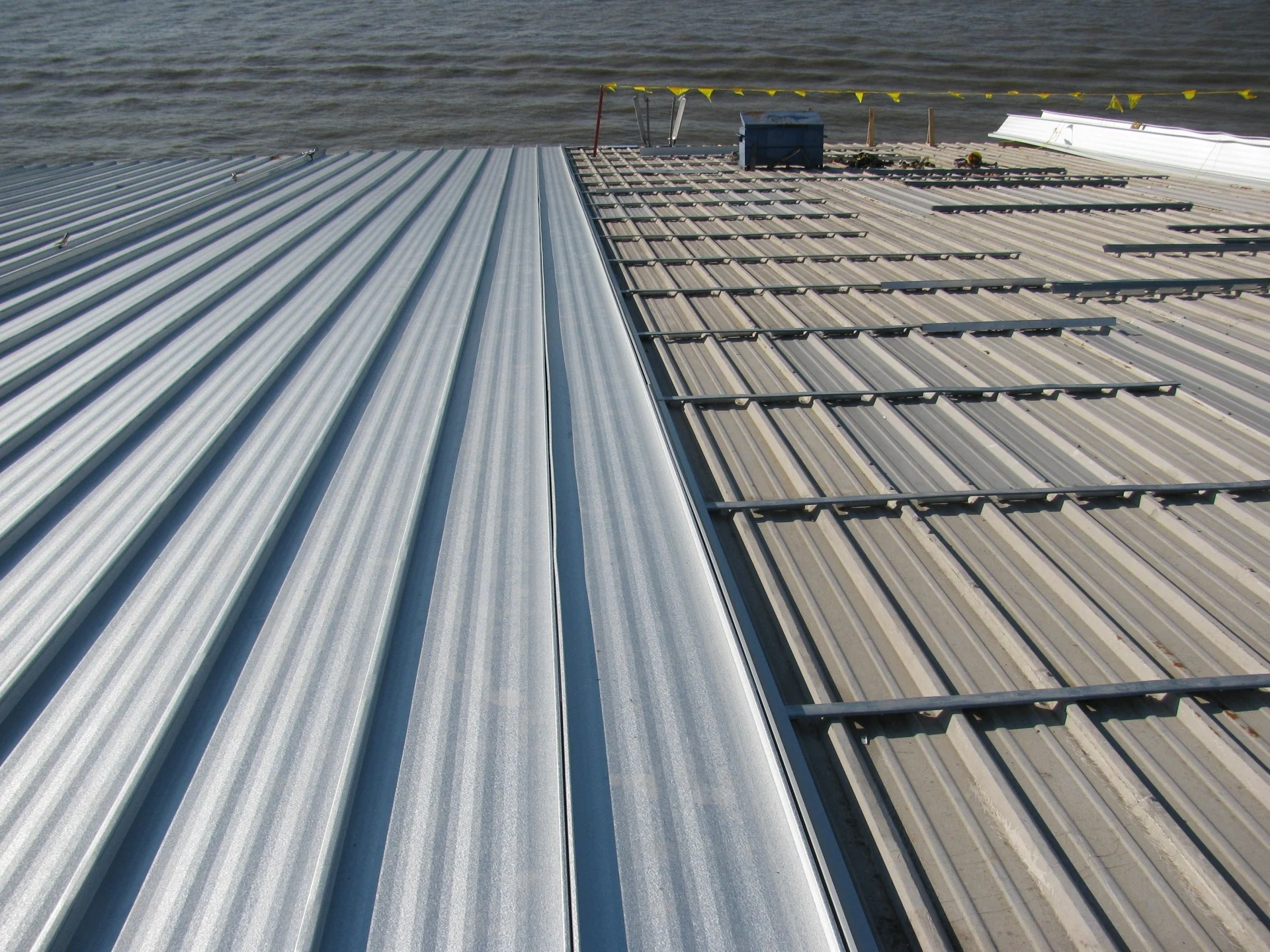
Roof Recover and Overlay gets scoped from roof evidence, access limits, weather windows, and the operating risk below the roof.
Weather exposure is part of Roof Recover and Overlay, not a separate sales category. Lubbock Roof Recover and Overlay roofs work through high UV, dry heat, wind-driven dust, hard storm rain, severe-thunderstorm wind, occasional hail, and fast thermal movement across metal edges. After weather, our Roof Recover and Overlay review checks perimeter metal, coping joints, membrane bruising, rooftop-unit fins, open seams, displaced panels, drainage paths, and interior evidence so an owner can separate cosmetic marks from urgent defects.
For Roof Recover and Overlay, I-27, Loop 289, Marsha Sharp Freeway, US 62/82, US 84, US 87, 19th Street, 34th Street, Slide Road, University Avenue, Milwaukee Avenue, and Lubbock Preston Smith International Airport create different roof access and staging conditions. That local fact matters for Roof Recover and Overlay because commercial roof work around Lubbock is tied to agriculture, education, healthcare, downtown office buildings, logistics, airport cargo, research facilities, manufacturing, retail, restaurants, and public buildings. A Roof Recover and Overlay recommendation that ignores dock schedules, guest entries, secure access, public traffic, heat, or storm-readiness timing can cost more in disruption than it saves in material.
The technical file for Roof Recover and Overlay should include roof area, deck type, membrane type, insulation clues, existing layer count, drainage slope, attachment assumptions, edge conditions, manufacturer questions, and permit triggers. We keep certification and warranty language out of Roof Recover and Overlay unless it is verified by the building owner or manufacturer. The Roof Recover and Overlay owner should be able to compare repair, restoration, recover, and replacement without sorting through invented proof.
For Roof Recover and Overlay, the AA Roofing reference is a Divi WordPress shell with a top contact bar, white logo and navigation header, full-width slider hero, split image and copy band, dark parallax-style CTA band, Divi contact form and map band, Lato and Open Sans typography, and a compact black footer. We keep code assumptions in the right lane for Roof Recover and Overlay by noting jurisdiction, permit triggers, insulation discussions, fire classification questions, wind securement, and whether the existing roof can legally and practically be recovered. A small missing detail in a Roof Recover and Overlay estimate can become a large change order if layer count, wet insulation, or edge securement is ignored.
Budget planning for Roof Recover and Overlay works when every line item has a roof reason. A Roof Recover and Overlay repair should name the failed detail. A Roof Recover and Overlay maintenance recommendation should list repeat tasks. A Roof Recover and Overlay coating option should show adhesion, moisture, and thickness assumptions. A Roof Recover and Overlay recover plan should explain why the existing roof can remain. A Roof Recover and Overlay replacement scope should describe tear-off, deck review, insulation, temporary dry-in, edge metal, drains, safety, and closeout documents.
For Roof Recover and Overlay, the City of Lubbock says LEDA continues to develop a 586-acre Lubbock Business Park adjacent to Interstate . We use that South Plains context on Roof Recover and Overlay so the recommendation stays tied to a real building. For Roof Recover and Overlay, a roof above a Broadway office, a Lubbock Business Park distribution building, a North Ivory logistics property, a Medical District building, and a South Plains Mall retail roof can share membrane materials while needing different shutdown windows, odor controls, crane plans, and tenant notices.
For Roof Recover and Overlay, the City of Lubbock describes North Ivory Avenue in Lubbock Business Park as a 112-foot-wide industrial boulevard with two traffic lanes in each direction and a 55-foot median drainage channel. The Roof Recover and Overlay roof file should state what we saw, what we could not verify, what needs immediate containment, what belongs in routine maintenance, and what should move into a capital plan. That is how Roof Recover and Overlay decisions stay useful for facility managers and commercial roof buyers after the first roof walk ends and the budget conversation moves to ownership, procurement, or facilities leadership.
Procurement on Roof Recover and Overlay gets easier when the scope separates assumptions from field evidence. On Roof Recover and Overlay, we call out roof sections, wet areas, drain locations, edge conditions, rooftop equipment, and interior impacts in plain language. If Roof Recover and Overlay needs a second option, the alternate has to explain the tradeoff, not just lower the number. That Roof Recover and Overlay approach gives Lubbock owners a cleaner path for scope, safety, moisture, wind, heat, and schedule and a defensible service recommendation.
The next step for Roof Recover and Overlay is practical: send the building location, roof age if known, leak photos, access instructions, tenant limits, and any past reports. We will map a Roof Recover and Overlay roof walk for Lubbock, collect evidence, and explain the safest path from immediate protection to a responsible commercial roofing scope that fits the roof, the weather window, and the business below.
What information should we send before a Roof Recover and Overlay roof walk?
Before a Roof Recover and Overlay roof walk, send the building location, roof age if known, roof access instructions, leak photos, tenant restrictions, secure-site rules, and prior roof reports. Those details let us shape the inspection around the actual roof problem instead of arriving with a generic checklist.
Can Roof Recover and Overlay be handled while the building stays occupied?
For Roof Recover and Overlay, occupied-building work depends on access, odor, noise, staging room, heat, wind, weather exposure, and how much roof must be opened at one time. We phase the work around dry-in, tenant protection, loading paths, and the operating schedule below the roof.
How do we compare repair, coating, recover, and replacement for Roof Recover and Overlay?
For Roof Recover and Overlay, we compare moisture evidence, layer count, deck condition, drainage, age, storm exposure, roof traffic, and future use before naming a scope. That evidence is what separates a repair file from a restoration plan, a recover option, or a replacement budget.
Do you promise manufacturer certification or insurance approval for Roof Recover and Overlay?
For Roof Recover and Overlay, we do not invent credentials, promise claim outcomes, or write warranty language before the facts support it. We document conditions, identify manufacturer or carrier questions, and keep recommendations tied to reviewable roof evidence.
What makes Lubbock planning different for Roof Recover and Overlay?
Lubbock planning for Roof Recover and Overlay has to account for I-27, Loop 289, Marsha Sharp Freeway, airport cargo access, Reese Technology Center, downtown staging, high UV, dry heat, wind-driven dust, severe-thunderstorm wind, hail, and roof work above active logistics, healthcare, retail, public, education, and manufacturing buildings.
Ready To Review Roof Recover and Overlay?
Send the roof location, leak photos, access notes, and decision timeline. We will start with the roof evidence and keep the scope tied to what can be verified.
Commercial Re-Roofing in Lubbock, TX begins with a structural load check. Before any tear-off is priced, the building's roof deck capacity must be verified against the weight of the proposed new assembly — new insulation, cover board, membrane, ballast if applicable, and any required drainage improvements. For commercial re-roofing in Lubbock, the code also controls how many membrane layers can remain on the deck: most jurisdictions follow the two-layer maximum specified in the International Building Code, which means full tear-off may be required even when the top membrane looks serviceable.
Insulation is the largest cost driver in commercial re-roofing after tear-off labor. Energy codes in TX — whether Title 24, ASHRAE 90.1, or a local supplement — set minimum R-value targets for roof assemblies above conditioned space. A commercial re-roofing project that does not meet the current energy code may require additional insulation thickness to obtain a permit, which changes the scope, the deck load, and the tapered insulation design around drains. Commercial Roofing works through those calculations before presenting a commercial re-roofing budget so the number in the estimate reflects the actual permitted scope.
Permit documentation for commercial re-roofing in Lubbock typically requires product data sheets, a roof plan or sketch showing drainage and slopes, a disposal plan for tear-off material, and sometimes a structural engineer review letter when the new assembly is heavier than the existing one. We assemble that documentation package and coordinate with the building department on the inspection schedule so the commercial re-roofing project closes without a certificate-of-occupancy hold.
Warranty implications matter for commercial re-roofing decisions. A roof manufacturer will not extend a new system warranty over a tear-off site with an unaddressed deck repair or compromised substrate. We document deck conditions found during tear-off, provide photographic evidence of substrate quality, and give ownership the information needed to decide whether manufacturer warranty coverage is worth the additional substrate repair cost. Call or email to schedule a commercial re-roofing assessment in Lubbock.
Widespread wet insulation, a second membrane layer already present, deck deterioration, repeated failed repairs, and energy code compliance gaps on a permit-requiring scope all push toward full re-roofing.
ASHRAE 90.1 or state-specific energy codes set minimum insulation R-values that may require added insulation thickness beyond what the existing assembly provides, increasing both cost and structural load.
Product data sheets, a roof plan or sketch, a disposal plan, sometimes a structural engineer review, and contractor licensing documentation. We assemble the permit package and coordinate the inspection schedule.
Membrane layer count, deck condition found during inspection, moisture scan results, and the code-required maximum layer count all determine whether full tear-off or partial removal is required.
Next Step
Send the building address, roof age if known, leak photos or condition photos, roof access notes, tenant limits, and the decision timeline. We will shape the roof walk around roof evidence, access limits, weather exposure, and budget timing and return a practical scope tied to what can be verified.