
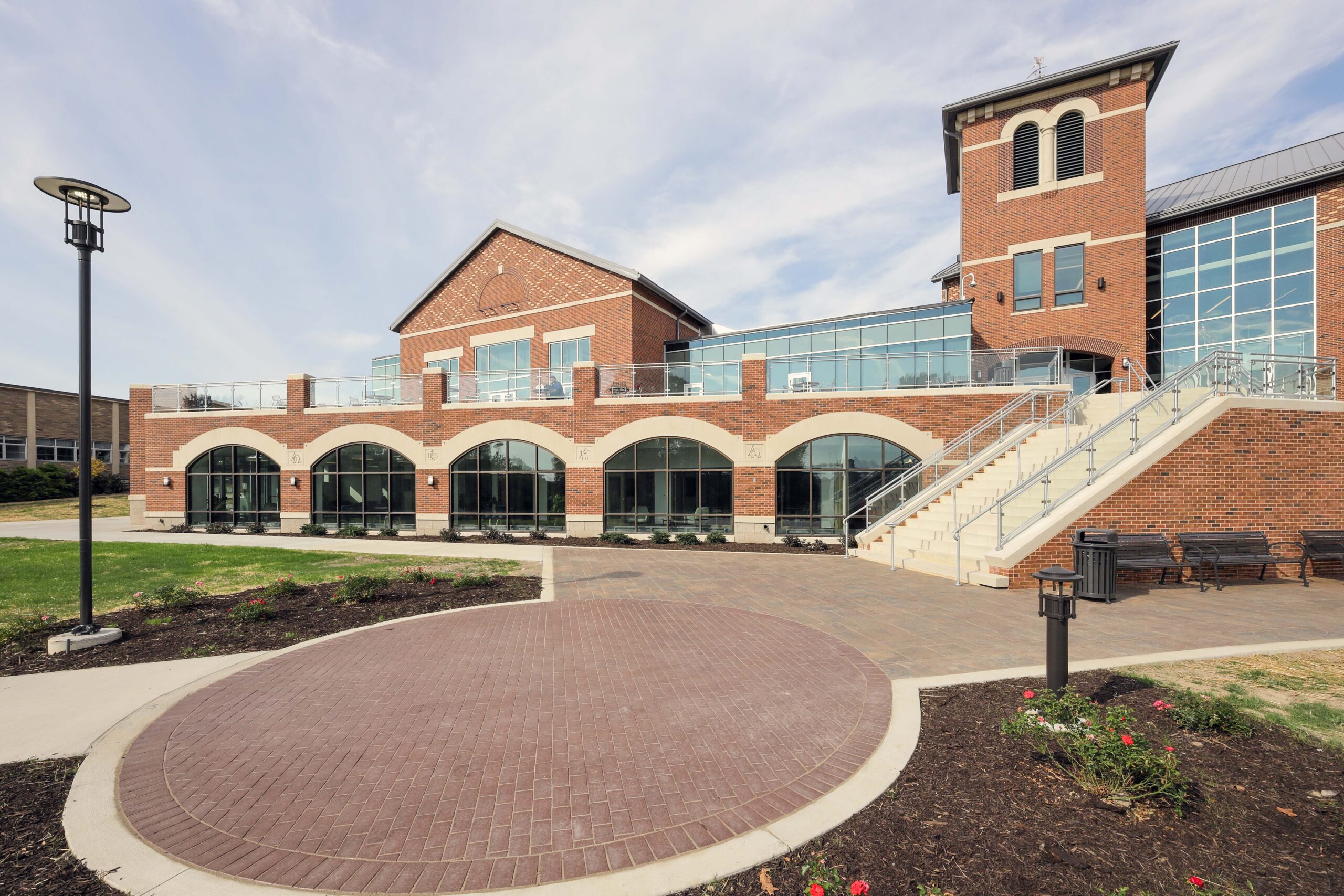
University and College Campus Roofing Planning
Texas Tech University's main campus in Lubbock — with its distinctive Spanish Renaissance architecture and over 200 buildings spread across 1,800 acres — represents one of the largest and most architecturally cohesive university campuses in the Southwest. TTU's signature red brick and terracotta tile roofline is a defining visual characteristic of the campus, and maintaining the integrity of this architectural identity while meeting modern waterproofing and energy performance standards creates a roofing challenge that is as much aesthetic as it is technical.
Semester scheduling at Texas Tech follows a semester calendar with a summer break from mid-May through late August that provides the primary window for major academic building roofing work. TTU's summer research programs, particularly in the College of Engineering and the National Wind Institute, maintain year-round building occupancy in the science and engineering zone of campus. Contractors working on science and research buildings must confirm actual summer occupancy with department facilities coordinators rather than assuming that summer break means building vacancy. TTU's facilities management team can provide building-specific occupancy calendars that allow accurate project phasing for each building.
Texas Tech's campus programs include the National Wind Institute — one of the nation's leading research centers on wind engineering and atmospheric science — and a growing set of engineering and science research facilities that impose research-building rooftop standards on sections of campus that casual observation might categorize as standard academic buildings. Research lab environments at TTU require rooftop penetration integrity, equipment compatibility review, and construction documentation that differs meaningfully from what is required for classroom and administrative buildings. Contractors who treat research and classroom buildings as equivalent in specification requirements frequently create compliance problems for the facilities management team.
Historic buildings on the TTU campus include the original 1924-era Administration Building, the original Engineering Building, and numerous mid-20th century structures that together define the Spanish Renaissance character of the historic core. Restoration of TTU's clay tile roofing on these historic structures requires contractors with documented experience in clay tile work, access to period-compatible replacement tile from manufacturers who maintain the Lubbock Red color standard that TTU has established for campus use, and an understanding of the Texas Historical Commission's guidance on historic building maintenance. The Administration Building's roof is one of the most visited and visually prominent institutional roofing assets in the Southwest.
LEED certification and sustainability goals at TTU are institutionalized through the university's sustainability master plan, which sets targets for energy reduction and sustainable building certification across the campus portfolio. New construction at TTU consistently pursues LEED Silver or Gold, and major renovations are evaluated for sustainable design opportunities including cool roofs, above-code insulation, and vegetated roof elements on appropriate applications. Texas Tech's exposure to the South Plains climate — with its extreme solar radiation and high summer temperatures — makes the energy performance benefits of cool roof systems particularly pronounced compared to campuses in milder climates.
Lubbock's climate is perhaps the most severe of any major Texas university campus. The combination of extreme summer heat, intense UV radiation, high wind speeds, and significant hail frequency creates a roofing environment that eliminates low-quality products faster than almost anywhere else in the state. Texas Tech's facilities management team has an institutional memory of which membrane systems have failed prematurely in Lubbock's climate and which have delivered their full design service lives, and this institutional knowledge influences specification decisions on campus roofing projects. Contractors who can demonstrate a portfolio of successful Lubbock-area university roofing projects that are still performing well after 15 or more years carry significant credibility in the TTU procurement process.
Wind performance is a unique consideration for TTU campus roofing given the university's own expertise in wind engineering. The National Wind Institute's research on roof system wind uplift and failure modes has directly informed building code development nationally, and TTU's facilities team is more sophisticated than most institutional clients in evaluating wind uplift resistance specifications. Contractors specifying roofing systems for TTU buildings are expected to provide engineered uplift resistance calculations that match the actual wind exposure at each building's location, accounting for campus topography and building height, rather than applying generic category-based wind load assumptions.
Student housing at TTU — including the Wiggins Complex, the Talkington Hall high-rise, and the numerous dormitory buildings distributed across the southern campus — presents occupied-building roofing challenges across a calendar that includes fall semester move-in in mid-August and spring semester activity through early May. The summer window for residence hall roofing work is real but limited, and contractors must be prepared to execute residence hall projects efficiently within the available time, since delays that push work into fall semester create significant disruption to thousands of residential students.
TTU's intercollegiate athletics facilities — including the recently renovated Jones AT&T Stadium and United Supermarkets Arena — present high-visibility roofing projects whose completion timelines are driven by the Big 12 Conference schedule, not the academic calendar. Football stadium roofing and arena maintenance work must be completed during the post-season window before the following season's facilities preparation activities begin. TTU's athletics department is a separate institutional stakeholder from the main campus facilities management team, and contractors working on athletics facilities must establish relationships with both organizational units to navigate TTU's institutional structure successfully.
Next Step
Send the building address, roof age if known, leak photos or condition photos, roof access notes, tenant limits, and the decision timeline. We will shape the roof walk around campus access, occupied classrooms, and phased work windows and return a practical scope tied to what can be verified.