
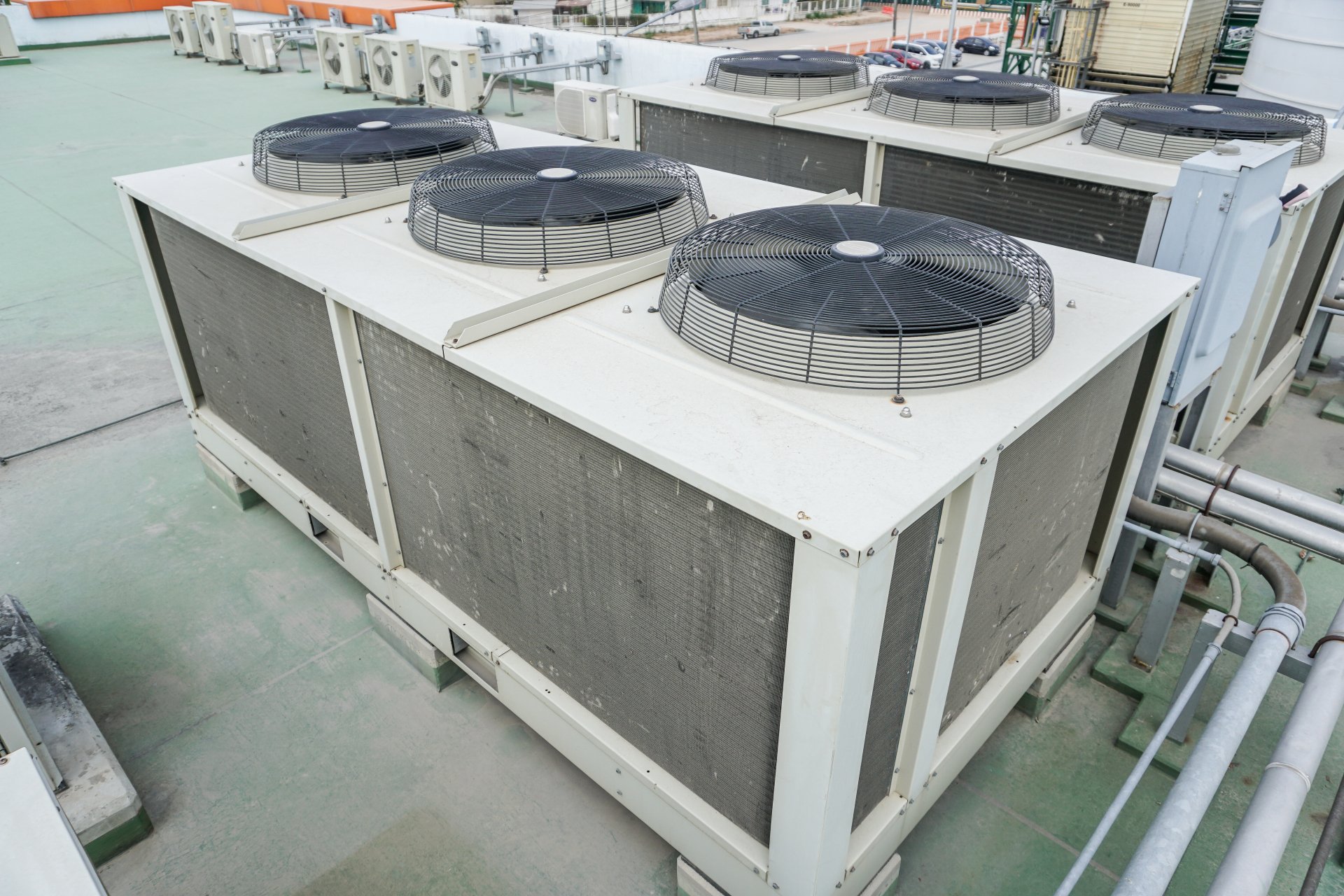
Restaurant and Food Service Building Roofing Planning
Lubbock sits on the South Plains at an elevation of roughly 3,200 feet, which gives it a climate that surprises newcomers: summer heat that rivals the lower Permian Basin, winter cold that can drop to single digits, spring hailstorms that arrive without much warning, and a persistent West Texas wind that tests every edge detail on every commercial roof in the city. The restaurant roofs along 50th Street, the University Avenue corridor serving Texas Tech, and the dense fast-food and fast-casual strip on 82nd Street all face this climate package simultaneously, and the contractors who specialize in Lubbock food service roofing know that ignoring any one of those four factors produces a failure within a few seasons.
Hail damage is a defining factor in Lubbock commercial roofing, and restaurant buildings on the South Plains are struck with two-inch hail events often enough that many building owners carry replacement-cost policies specifically for roofing. TPO and PVC membranes show impact resistance differences that matter in this market — thicker membranes absorb hail energy better than thin ones, and the granule-surfaced modified bitumen systems that were standard on Lubbock commercial buildings a generation ago offer better hail resistance than smooth-surfaced single-ply in large-stone events. When specifying a replacement system for a Lubbock restaurant building, discussing the owner's insurance situation and hail history with the building should be part of the initial scoping conversation.
Grease exhaust contamination on Lubbock restaurant roofs is complicated by the West Texas wind pattern. When wind comes from the south or southwest — which is frequent — it recirculates exhaust discharge back across the roof surface rather than carrying it upwind of the building. This recirculation pattern deposits grease residue across a much larger portion of the membrane than the typical downwind shadow pattern seen in calmer markets. Lubbock restaurant roofing specifications should include a larger protected zone around exhaust curbs, with PVC membrane extending at least sixteen to twenty inches from the curb base in every direction to account for wind-driven grease spread.
The Texas Tech University campus area generates enormous restaurant demand concentrated in a small geographic zone, and the fast-casual and bar-adjacent restaurant buildings along University Avenue and in the depot district experience high-intensity service windows that compress wear into a shorter period. Kitchen ventilation systems at these locations run at capacity during game days and late-night service windows in ways that a typical suburban QSR doesn't approach. Walk-in cooler systems at Lubbock university-area restaurants also work harder during September and October, when fall heat and high occupancy combine to elevate interior temperatures. Maintenance cycles for rooftop mechanical equipment and roofing flashings should be aligned with the academic calendar rather than calendar year, with pre-semester inspections in August and post-game-season inspections in January.
Lubbock's temperature swings between seasons are dramatic — summer highs above 100 degrees followed by winter lows that occasionally reach single digits mean that roofing membranes cycle through roughly 110 to 120 degrees of temperature variation in a given year. Field seams in TPO and PVC systems on Lubbock restaurant roofs need to be wider than the manufacturer's minimum recommendation and should be heat-welded with careful attention to probe-testing after installation to confirm fusion depth. T-joint covers at seam intersections are non-negotiable in this climate, because the differential movement at corner points during thermal cycling is highest at these locations, and a T-joint that fails after the second freeze-thaw season is a leak that originates in an inspection-inaccessible location inside the seam overlay.
Health code enforcement for Lubbock restaurant kitchens falls under the Lubbock Environmental Health Department, and exhaust ventilation is a compliance requirement that roofing contractors working on Lubbock food service buildings must respect. The relatively small size of the Lubbock food service inspection team means that projects that disrupt ventilation without advance notification can generate compliance flags that take longer to resolve than in larger metropolitan areas with dedicated emergency response staff. Lubbock restaurant operators who are planning a roof project should contact the health department proactively if the project scope includes any temporary exhaust disconnection, document the contact, and confirm the restoration schedule in writing with the roofing contractor before work begins.
Lubbock's independently owned restaurant scene has grown significantly in the area around the Buddy Holly Hall of Performing Arts and Sciences, near the new downtown development projects, and along the emerging restaurant corridor in the Tech Terrace neighborhood. Many of these independent operators occupy buildings that were converted from retail or office use and where the rooftop penetration layout reflects a non-food-service original design. First-generation restaurant tenants in these buildings often deal with inadequate curb heights, non-standard exhaust stack diameters, and drain locations that conflict with kitchen equipment placement. Re-roofing projects in these buildings should include a mechanical engineer review of the penetration plan to confirm that the new layout supports current and anticipated future kitchen configurations.
Moisture intrusion near walk-in coolers in Lubbock restaurant buildings is a problem that intensifies in winter because the temperature differential between the cold exterior air and the refrigerated equipment creates condensation on the cold side of the roof assembly. In Lubbock's dry climate, this condensation-driven moisture is one of the primary sources of insulation saturation, since exterior rain is infrequent and well-managed by functional drains. Vapor retarder design in Lubbock restaurant buildings must account for both summer heat-driven vapor flow and winter condensation, which creates competing requirements that a qualified roofing designer needs to balance rather than applying a generic specification from a wetter climate.
Lubbock restaurant owners evaluating roofing options should ask contractors specifically about their experience with the South Plains climate and request references from food service properties in Lubbock or the surrounding region. A contractor with an excellent track record in Dallas or Houston brings valuable general food-service roofing knowledge but may not have calibrated their specifications to Lubbock's hail exposure, wind patterns, and temperature extremes. Verifying that the proposed system has been installed successfully on comparable Lubbock restaurant buildings — with references who can be called — is the most direct way to confirm that local climate knowledge is part of the contractor's proposal and not just the membrane manufacturer's generic data sheet.
Next Step
Send the building address, roof age if known, leak photos or condition photos, roof access notes, tenant limits, and the decision timeline. We will shape the roof walk around grease exposure, vent curbs, and business-hour restrictions and return a practical scope tied to what can be verified.