
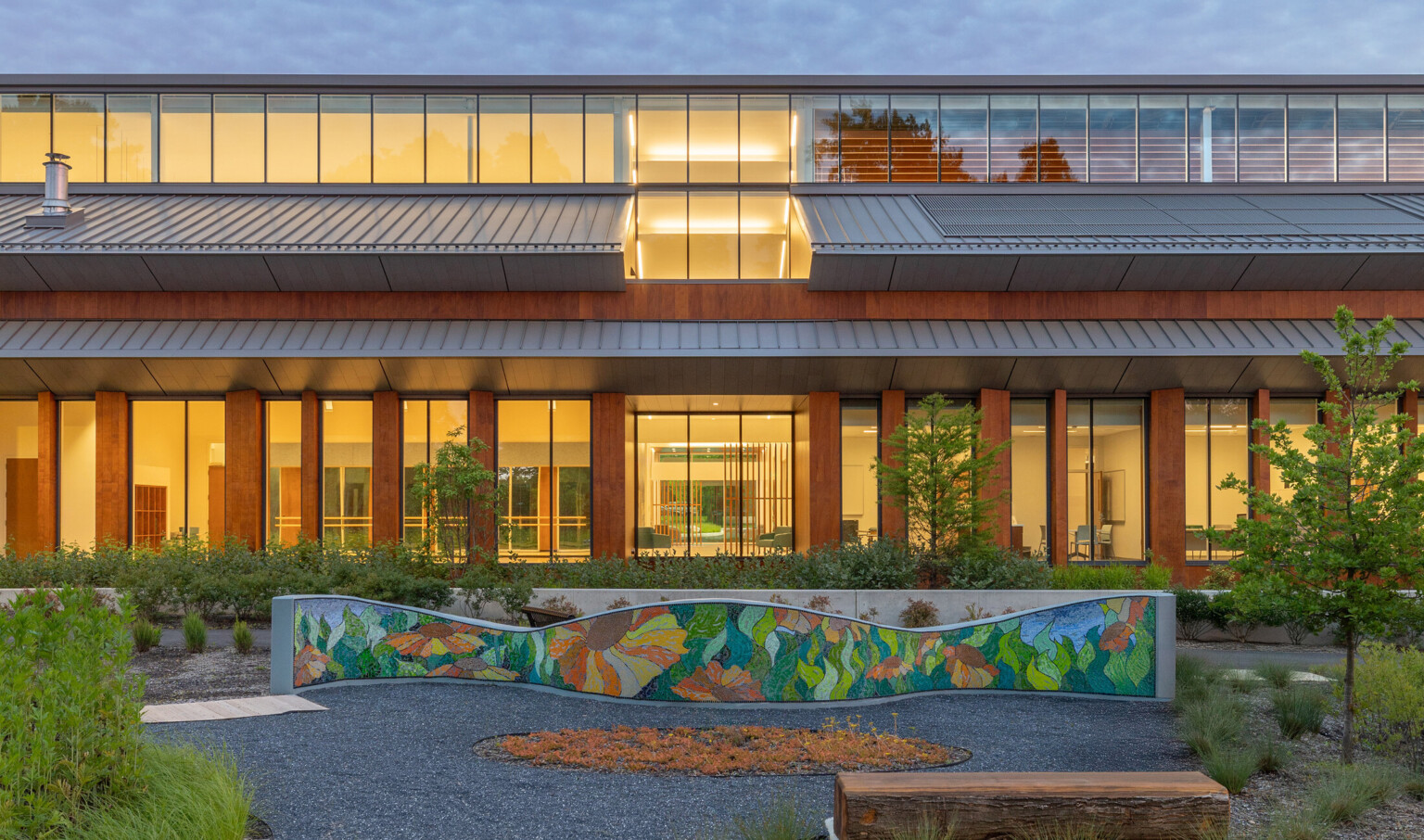
Sports & Recreation Facility Roofing Planning
Sports and Recreation Facility Roofing in Lubbock, TX
Recreation buildings combine two things that make roofing hard: enormous clear-span roofs with no interior columns to break them up, and intense interior moisture from athletic activity and swimming. A gymnasium roof can run eighty feet across a single bay, which changes how it deflects and how it has to be fastened, and a natatorium produces a corrosive atmosphere that eats standard roofing materials from the inside out. Add a programming calendar that fills the evenings, weekends, and holidays, exactly when most crews would rather not be on a roof, and you have a building type that punishes a generic approach. We roof Lubbock's sports and recreation facilities around those specific realities.
Lubbock's recreation inventory runs from the municipal community and aquatic centers operated by the city's parks department, to the YMCA and private athletic clubs, to the school and university gymnasiums tied to the area's deep culture of high school and college sports. Texas Tech University anchors that culture, and the city's network of public recreation centers and pools serves a young, active population spread across the neighborhoods off Quaker Avenue, University Avenue, and the south-side growth around 98th Street. Many of these facilities are publicly owned, which adds a procurement layer on top of the technical one.
Long-Span Roofs Behave Differently
A clear-span gym or arena roof carries the same deflection and fastening challenges as a movie theater deck, with athletic humidity stacked on top. The fastening pattern on a steel deck spanning eighty feet is not the same calculation as the same deck at thirty feet, and on the open High Plains around Lubbock the wind uplift those big roofs generate is serious. We run the structural deck evaluation and the fastener pull-out numbers for the actual span and deck type, then specify the attachment to match. We do not carry over a pattern from a smaller building and hope it holds when the spring wind comes across the Caprock.
Natatoriums Are the Hardest Roof in the Category
Indoor pools produce chloramine gas, a byproduct of chlorine reacting with organic matter swimmers bring into the water, and chloramines are aggressively corrosive. They attack standard steel and aluminum flashing, eat at some membrane adhesives, and degrade HVAC components hanging in that air. A natatorium roof has to be specified for chemical exposure: stainless steel or copper flashing where chloramines reach, membrane and adhesive formulations confirmed against the manufacturer's chemical resistance data, and ventilation designed to exhaust that air to the outside rather than recirculate it above the pool. The vapor load is equally unforgiving, and the vapor retarder has to be positioned for Lubbock's semi-arid climate zone so moisture does not condense and rot the assembly from within.
Humidity Control on Every High-Occupancy Space
Even without a pool, a busy gym, locker room, or field house drives vapor into the roof. If the vapor retarder is in the wrong place for the region, that moisture condenses inside the insulation and quietly kills its R-value. Before we specify any reroof on a recreation building, we survey the existing assembly for trapped moisture, because recovering over a wet or misspecified roof compounds the problem instead of fixing it. A moisture scan up front is standard on any aquatic or high-humidity facility we look at.
Public Procurement and Programming Schedules
Many Lubbock recreation centers are owned by the city, the school districts, or other public bodies, which means the roofing scope can run through public bid advertising, bid and performance bonding, and prevailing-wage compliance where it applies. We carry the bonds and insurance for public work in Texas and know the documentation those contracts require. Private clubs and entertainment venues follow a different procurement path but bring the same scheduling pressure, with membership programs and event calendars dictating when a roof can come open. We sequence gym and arena work into daytime weekday hours, confirm watertight dry-in before evening programming starts, and coordinate any pool-hall exhaust work with the operations team.
Sports and Recreation Facility Roofing Questions
How do you handle pool and locker-room humidity in the roof assembly?
With a vapor retarder positioned correctly for Lubbock's climate zone, confirmed against a moisture survey of the existing assembly before any reroof is specified. Recovering over a wet or misspecified roof makes the moisture problem worse, so the survey comes first on any aquatic or high-humidity facility.
What materials stand up to natatorium chloramine exposure?
Chloramine gas corrodes standard metal flashing and some adhesives, so we specify stainless steel or copper flashing in exposed areas, confirm membrane compatibility against the manufacturer's chemical resistance data, and select adhesives tested for pool-hall environments. Standard roofing specifications are not appropriate over a natatorium.
How do you schedule around heavy evening and weekend programming?
We build the schedule from the facility's programming calendar. Gym and arena work is concentrated in daytime weekday hours with watertight dry-in confirmed before evening programs begin, and for aquatic centers we coordinate any exhaust or ventilation work with the pool operations team so air exchange is not compromised.
Do you handle public bid requirements for municipal facilities?
Yes. Public work on Lubbock recreation centers, parks facilities, and school gymnasiums can involve bid advertising, bid and performance bonding, and prevailing-wage compliance. We carry the required bonds and insurance for public work in Texas and know the documentation these contracts require.
What roof system works best for a large-span gym?
Typically a 60-mil or 80-mil reflective membrane mechanically attached over insulation, with the fastening specified to the real deck type and span. Steel deck at eighty feet needs different pull-out calculations than the same deck at thirty feet, and we provide that structural evaluation as part of the scope.
Next Step
Send the building address, roof age if known, leak photos or condition photos, roof access notes, tenant limits, and the decision timeline. We will shape the roof walk around tenant activity, roof access, safety planning, and the operating schedule below the work and return a practical scope tied to what can be verified.